
Science · 1 view
Reinforced vertebrae allow plunge-diving seabirds to survive high-speed impact
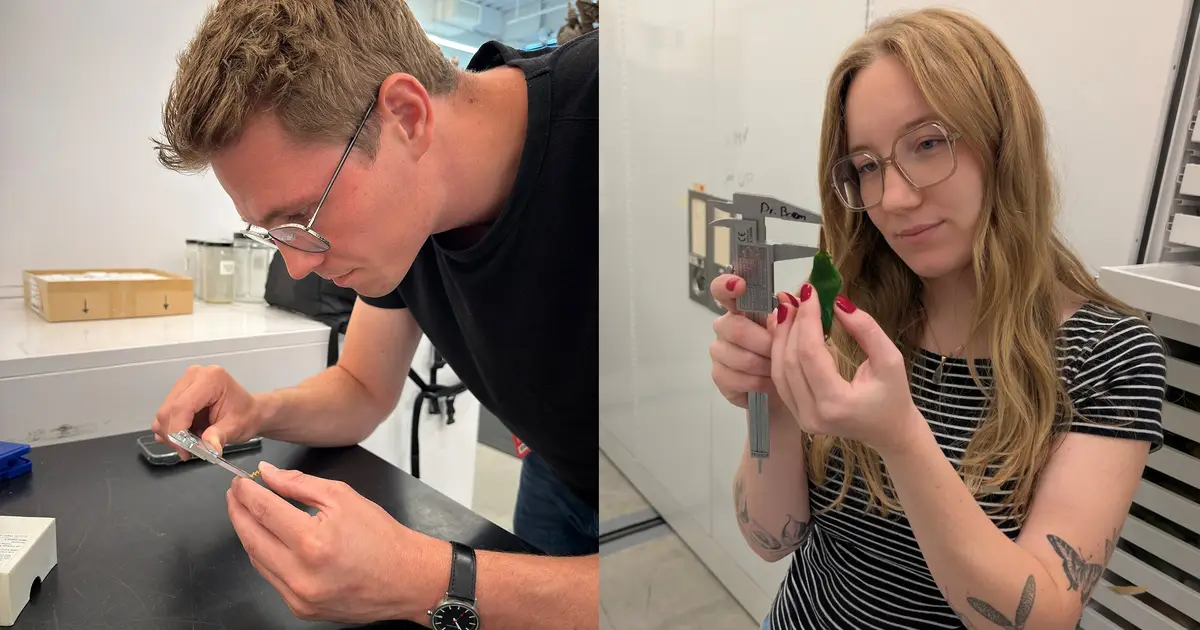
A northern gannet scans the sea for fish from 100 feet (30 meters) in the air. Upon seeing a school, it pitches its body into a nosedive, somehow breaking the surface at 70 miles per hour (113 kilometers per hour) without breaking its neck.

Summary
A northern gannet scans the sea for fish from 100 feet (30 meters) in the air. Upon seeing a school, it pitches its body into a nosedive, somehow breaking the surface at 70 miles per hour (113 kilometers per hour) without breaking its neck. This daring maneuver seems to defy the laws of nature, but it's standard hunting behavior for plunge-diving seabirds. A University of Washington study published Oct.
AI summaries can be wrong sometimes—always verify important details using the source article.
How AI & Automation are usedMore from Science
Continue reading recent Science coverage
- Nanostructure-assisted ultrasound shows potential for Parkinson's treatmentContinue reading
- Why Does IBD Keep Flaring Up? Scientists Found a Clue in The Gut LiningContinue reading
- Major cities worldwide are sinking, satellite data revealContinue reading
- Water-based process turns wood industry byproduct into carbon nanofibers for sodium-ion batteriesContinue reading
Support HappeningNow
Independent AI-powered news analysis is reader-supported. Your contribution helps cover infrastructure, summaries, and continued platform development.
Support HappeningNow