
Science · 6 views
Paying for the past: Norway's finder's fees favor gold's weight over what it tells us
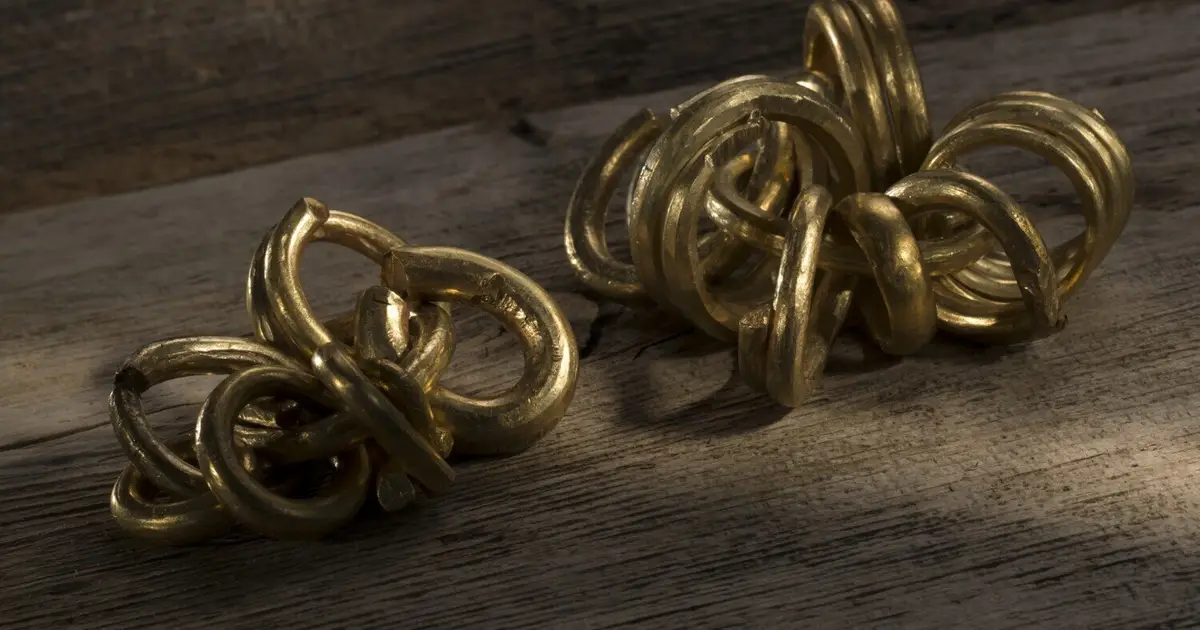
Ten years ago, in 2016, a metal detectorist came upon a hoard of gold. It had been buried in the dirt for around 1,800 years and consisted of around 396 grams (14 ounces) of gold rings.

Summary
Ten years ago, in 2016, a metal detectorist came upon a hoard of gold. It had been buried in the dirt for around 1,800 years and consisted of around 396 grams (14 ounces) of gold rings. The detectorist handed in his finds to a museum and received the largest finder's fee ever paid out in Norwegian history. He had been rewarded for the gold weight, not its rarity.
AI summaries can be wrong sometimes—always verify important details using the source article.
How AI & Automation are usedMore from Science
Continue reading recent Science coverage
- Family legacy helps explain how heirs decide to donate inherited possessionsContinue reading
- Parental benefit encouraged people to have children in Estonia, but fathers mainly applied for financial reasonsContinue reading
- UN says we're going to blow past 1.5º warming, offers a "now what?" answerContinue reading
- Herpes Virus Appears to Hijack The Brain's Immune Cells, And It Could Have Serious ConsequencesContinue reading
Support HappeningNow
Independent AI-powered news analysis is reader-supported. Your contribution helps cover infrastructure, summaries, and continued platform development.
Support HappeningNow