
Science · 36 views
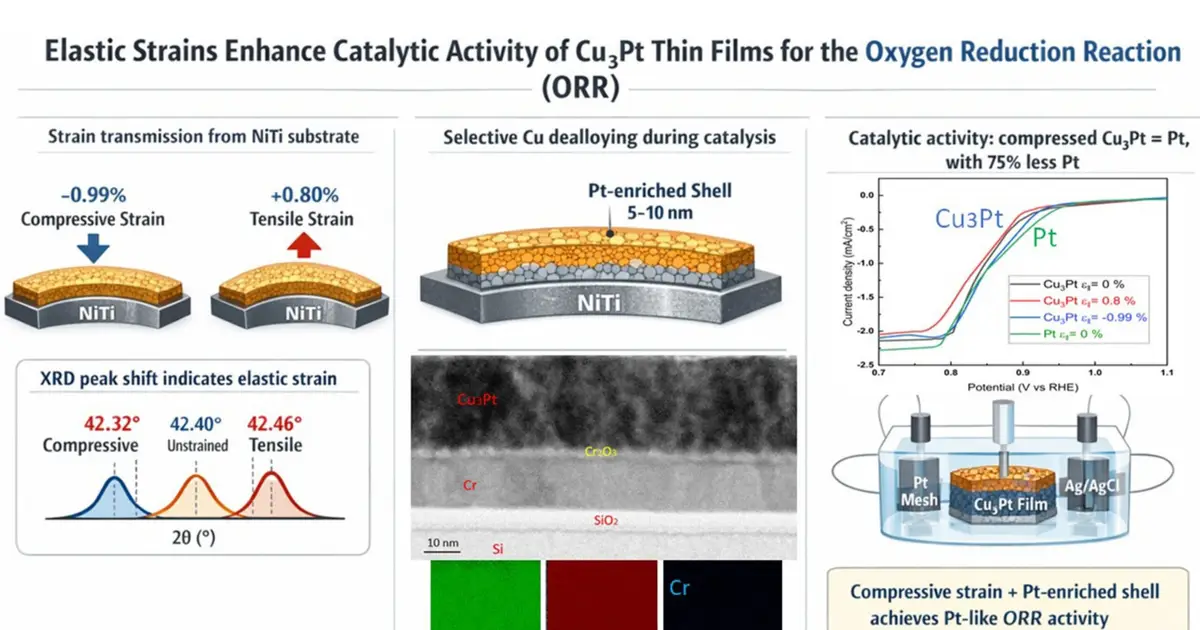
New catalyst with 75% less platinum promises to reduce the cost of hydrogen fuel cells
The high cost of platinum is one of the main barriers to the wider adoption of hydrogen fuel cells.

AI Summary
A new catalyst has been developed that reduces the amount of platinum needed for hydrogen fuel cells by 75%. This decrease in platinum usage is significant because platinum is a costly component in the production of these cells. The researchers behind this breakthrough applied control techniques to optimize the catalyst's performance. The result is a catalyst that achieves the same level of performance as traditional platinum-based catalysts but with a substantial reduction in platinum content. The development of this new catalyst could potentially make hydrogen fuel cells more economically viable, which could be a crucial step in their wider adoption.
AI summaries can be wrong sometimes—always verify important details using the source article.
How AI & Automation are usedMore from Science
Continue reading recent Science coverage
- A rare family of barn owls moved into Manhattan's Upper West Side. New Yorkers are captivatedContinue reading
- A Simple New Chip Could Spot Signs of Alien Life. It's Already Passed Its First Test.Continue reading
- In animated films, nonhuman characters are still overwhelmingly maleContinue reading
- Millions of Americans Use Cannabis to Help Them Sleep. It Could Be Doing The Opposite.Continue reading
Support HappeningNow
Independent AI-powered news analysis is reader-supported. Your contribution helps cover infrastructure, summaries, and continued platform development.
Support HappeningNow