
Science · 46 views
NASA's proposed Early eVolution Explorer mission aims to solve the radius valley mystery
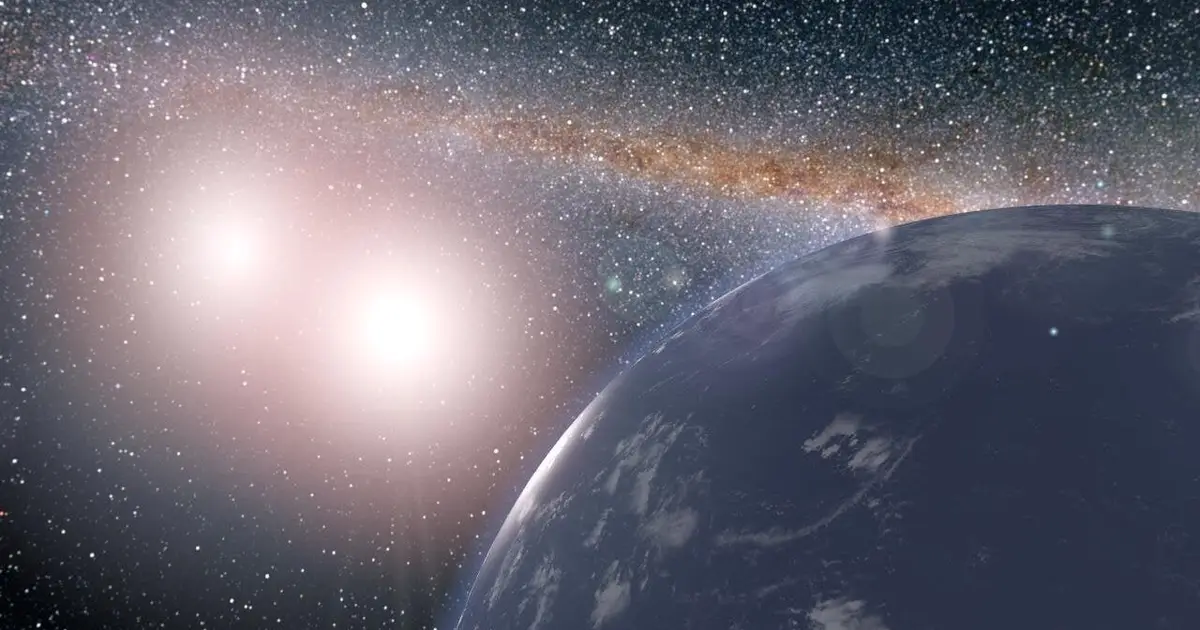
A debate has been raging among planetary scientists for more than a decade—why are there so few exoplanets with a radius of about 1.8 times that of Earth?

Summary
A debate has been raging among planetary scientists for more than a decade—why are there so few exoplanets with a radius of about 1.8 times that of Earth? Exoplanets are currently largely grouped into two distinct categories—"super-Earths" are below that size and have rocky interiors, whereas "sub-Neptunes" are above that size limit and appear puffier. But researchers don't really understand why the path of planetary evolution forces this bifurcation.
AI summaries can be wrong sometimes—always verify important details using the source article.
How AI & Automation are usedMore from Science
Continue reading recent Science coverage
- Chemically modified sugars enable direct nanostructure formationContinue reading
- Elections are more predictable than they lookContinue reading
- Inside the Pentagon, the pressure is on to find a home for a new spaceportContinue reading
- Tiny Genetic Tweak From An Ancient Virus Might've Prevented Chimpanzees From Developing Brains Like OursContinue reading
Support HappeningNow
Independent AI-powered news analysis is reader-supported. Your contribution helps cover infrastructure, summaries, and continued platform development.
Support HappeningNow