
Science · 5 views
Mitigating the ecological consequences of light pollution
Light pollution is one of the fastest-growing and least-regulated environmental changes worldwide. It disrupts biological processes at all levels—from genes to entire ecosystems—and contributes significantly to global biodiversity loss.
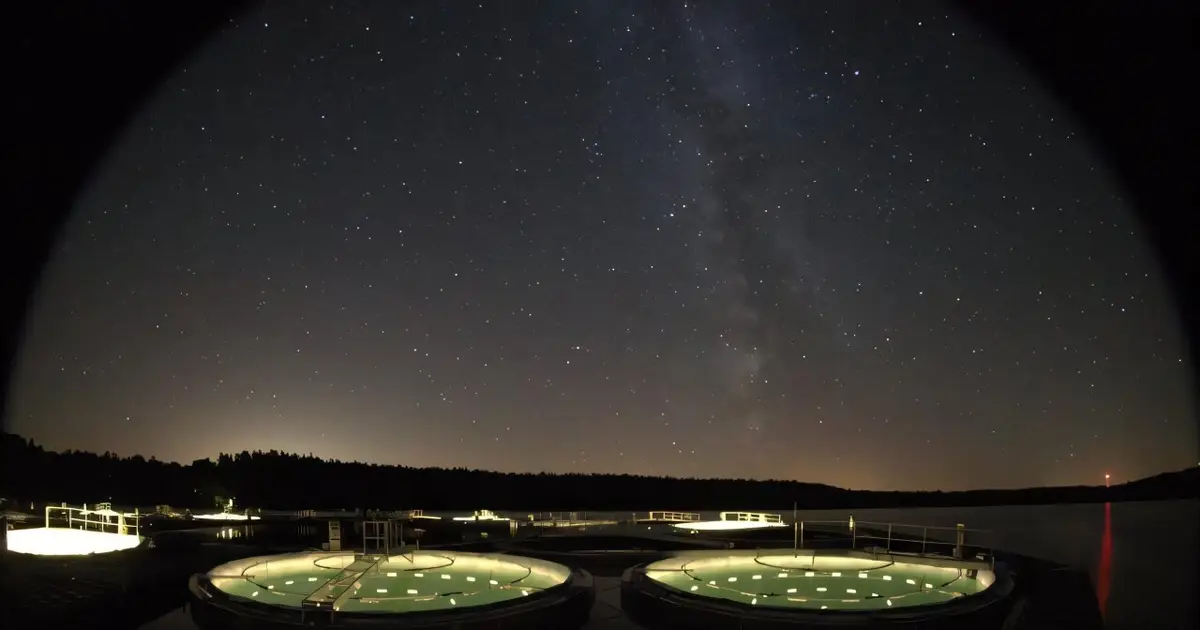

Summary
Light pollution is one of the fastest-growing and least-regulated environmental changes worldwide. It disrupts biological processes at all levels—from genes to entire ecosystems—and contributes significantly to global biodiversity loss. A recent review article, in which the Leibniz Institute of Freshwater Ecology and Inland Fisheries (IGB) participated, addresses the ecological consequences of artificial nighttime lighting. Based on a comprehensive assessment of the impacts on organisms on land and in water, the authors identify priorities for research and management.
AI summaries can be wrong sometimes—always verify important details using the source article.
How AI & Automation are usedMore from Science
Continue reading recent Science coverage
- Bio-based smart coating combines fire protection, early warning and upcyclabilityContinue reading
- Why a company donating $20,000 a month counts for more than $240,000 once a year in the eyes of customersContinue reading
- Study of Nearly 27,000 Men Is The Largest Yet on Tight Underwear And Sperm QualityContinue reading
- Northern permafrost greening masks declining plant resilience, study findsContinue reading
Support HappeningNow
Independent AI-powered news analysis is reader-supported. Your contribution helps cover infrastructure, summaries, and continued platform development.
Support HappeningNow