
Science · 3 views
Light reflecting within thin films can masquerade as molecular signals in perovskite solar materials
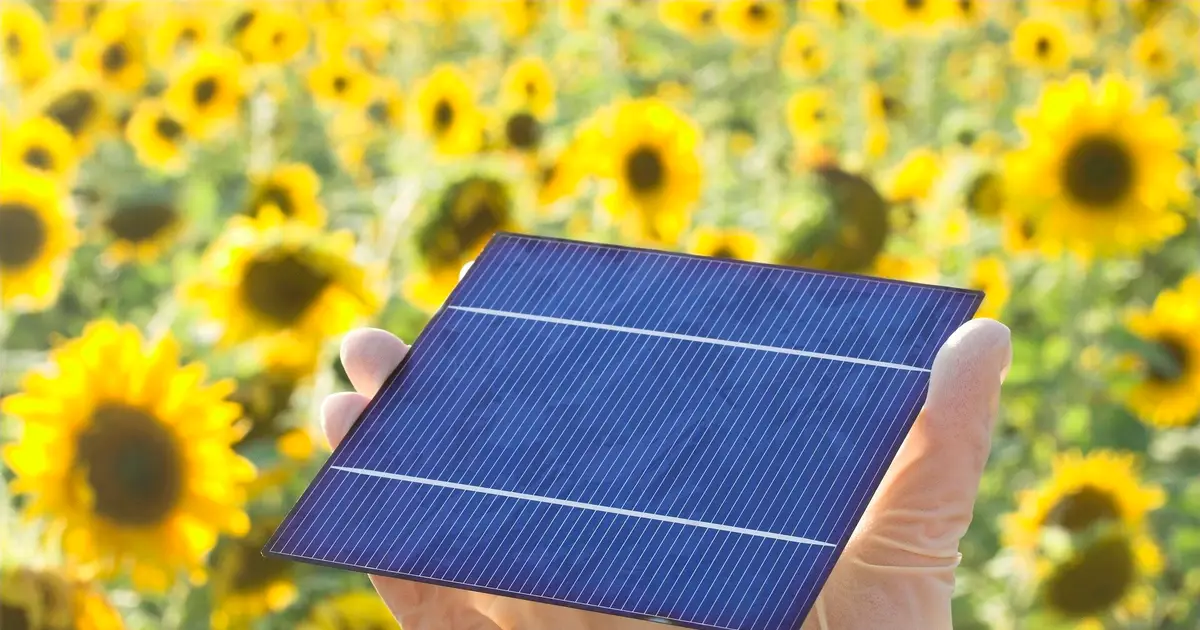
An infrared signal thought to reveal how molecules in perovskite solar materials respond to light-generated charges can arise largely from the way light travels through the thin film itself, a new theoretical study shows.

AI Summary
A new theoretical study shows that infrared signals previously interpreted as molecular responses in perovskite solar materials can instead stem from how light propagates through the thin film. Jun Nishida of Japan’s Institute for Molecular Science demonstrated that light‑generated charges modify infrared reflection and transmission within the film, creating sharp features that mimic changes in molecular vibrations even though the vibrations remain unchanged. The mechanism, termed carrier‑induced photonic resonance (CIPR), is highlighted as a factor that must be separated from genuine molecular signals when analyzing such measurements.
AI summaries can be wrong sometimes—always verify important details using the source article.
How AI & Automation are usedMore from Science
Continue reading recent Science coverage
- First known 'disappearing planet' has a neighbor that makes it wobble like a topContinue reading
- CheMeleon model adapts to predict molecular properties from scant dataContinue reading
- Scientists Find a Way to Grow a Thicker And Fuller Mustache in Just 8 WeeksContinue reading
- Canines could help anthropological studies, answering questions about human evolutionContinue reading
Support HappeningNow
Independent AI-powered news analysis is reader-supported. Your contribution helps cover infrastructure, summaries, and continued platform development.
Support HappeningNow