
Science · 51 views
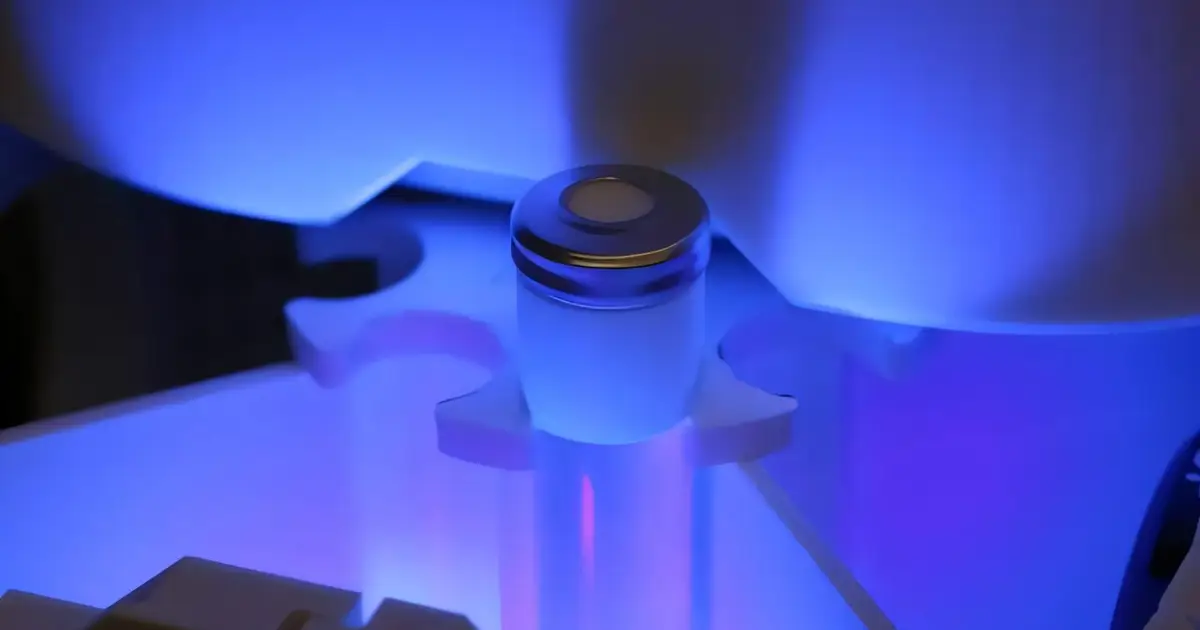
Light-driven method puts notoriously reactive hydrogen atoms to work for chemical synthesis
Hydrogen is the simplest element in the periodic table, consisting of just one proton and one electron. In chemistry, however, the smallest of atoms is anything but simple.

AI Summary
Researchers at the Max Planck Institute of Colloids and Interfaces, University College London, and Imperial College London have developed a light‑driven method to generate single hydrogen atoms under mild conditions. The technique uses photons to produce reactive hydrogen atoms that can be captured and employed directly in chemical reactions. The generated atoms are then used to reduce organic molecules without the need for metal catalysts. This approach offers a new way to harness the reactivity of isolated hydrogen atoms for metal‑free synthesis.
AI summaries can be wrong sometimes—always verify important details using the source article.
How AI & Automation are usedMore from Science
Continue reading recent Science coverage
- Liquid-crystal-like magnetism explains puzzling properties in a rare-earth compoundContinue reading
- A trick from tardigrades could help human blood withstand freezingContinue reading
- Fading control over 'jumping genes' may explain why big dogs age fasterContinue reading
- Rare traces of wooden tools reveal Neanderthals were skilled woodworkersContinue reading
Support HappeningNow
Independent AI-powered news analysis is reader-supported. Your contribution helps cover infrastructure, summaries, and continued platform development.
Support HappeningNow