
Science
Groups of genetically identical fish follow different behavioral paths as they mature
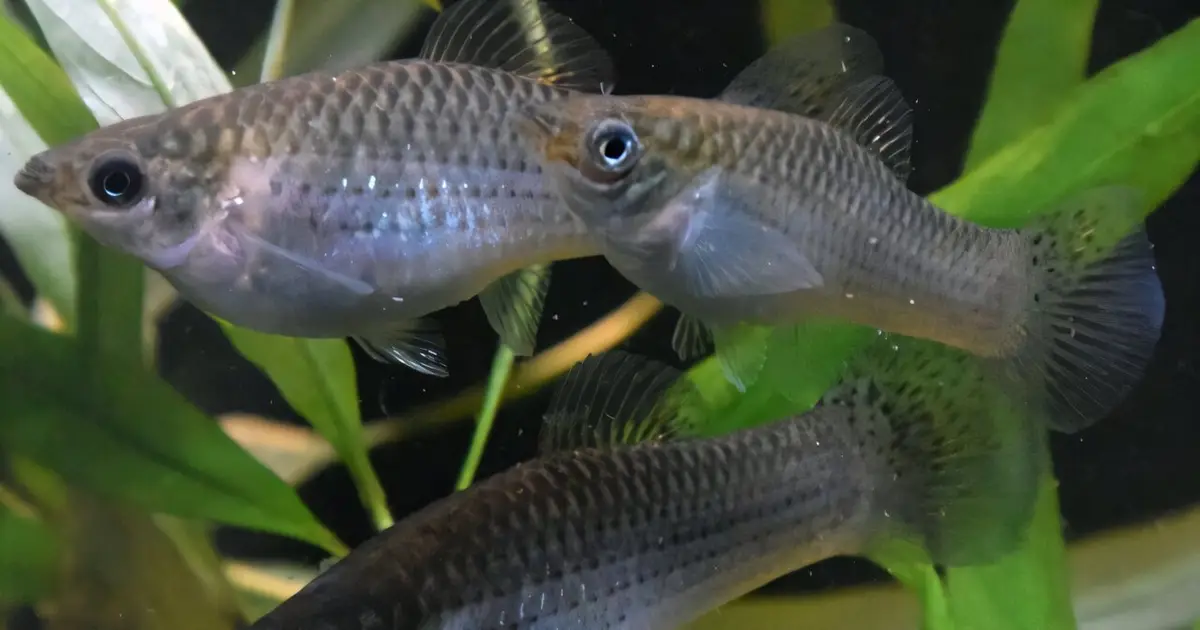
Schooling fish have long fascinated us with their mesmerizing collective movements and seemingly perfect coordination. But a new study on clonal mollies suggests that this behavior is not innate.

Summary
Schooling fish have long fascinated us with their mesmerizing collective movements and seemingly perfect coordination. But a new study on clonal mollies suggests that this behavior is not innate. During their first days of life, the fish still display distinct individual behaviors, and it is only around one month of age that they begin to form cohesive shoals, developing the coordinated movements characteristic of the group. However, several shoals of genetically identical clones begin to behave differently after a few weeks.
AI summaries can be wrong sometimes—always verify important details using the source article.
How AI & Automation are usedMore from Science
Continue reading recent Science coverage
- 1 in 2 Florida residents live in HOAs—how these private governments are reshaping the American DreamContinue reading
- 'Molecular movie' fills in blanks of how nonenveloped viruses infect cellsContinue reading
- Classifying groundwater systems by their ability to recover from droughtContinue reading
- UV light locks radiation-detecting materials into durable, water-resistant filmsContinue reading
Support HappeningNow
Independent AI-powered news analysis is reader-supported. Your contribution helps cover infrastructure, summaries, and continued platform development.
Support HappeningNow