
Science
Explainer: What is El Niño?
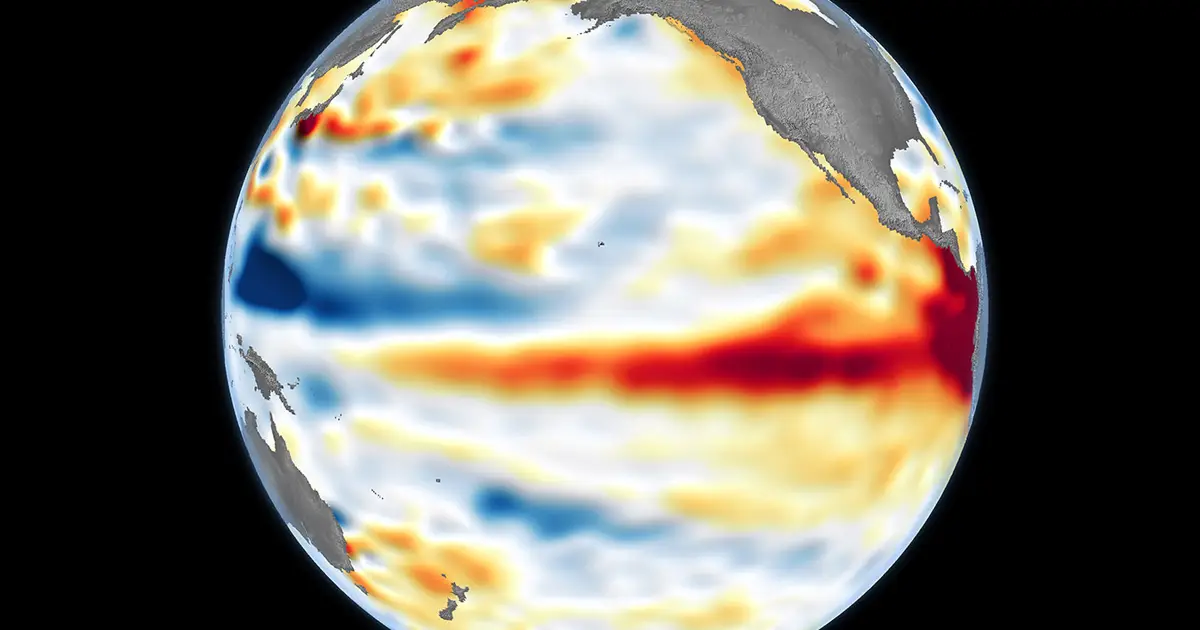
In the 1600s, fishers in Peru saw that every few years around Christmastime, the waters there warmed, and they caught fewer anchovies. They called this “El Niño” – the boy – after the Christ child.

AI Summary
In the 1600s Peruvian fishers observed that during certain Christmas‑season years the coastal waters warmed and anchovy catches dropped, a pattern they named “El Niño” after the Christ child. The name reflected the seasonal timing of the phenomenon. In the early 20th century physicist Gilbert Walker noted that the low atmospheric pressure and rainy weather over the western Pacific alternated with high pressure and dry conditions over the eastern Pacific. This pressure flip was the first scientific recognition of the El Niño cycle.
AI summaries can be wrong sometimes—always verify important details using the source article.
How AI & Automation are usedMore from Science
Continue reading recent Science coverage
- One-third of world population exposed to harmful air pollution: MonitorContinue reading
- The astonishing collective impact of household energy shiftsContinue reading
- Paw-fect candidate: Australia finds new koala rescue dogContinue reading
- Insects are essential to vertebrate life—as food, shelter and medicineContinue reading
Support HappeningNow
Independent AI-powered news analysis is reader-supported. Your contribution helps cover infrastructure, summaries, and continued platform development.
Support HappeningNow