
Science · 4 views
DNA analysis identifies root-dwelling fungi as potential keystone species in forest microbial communities
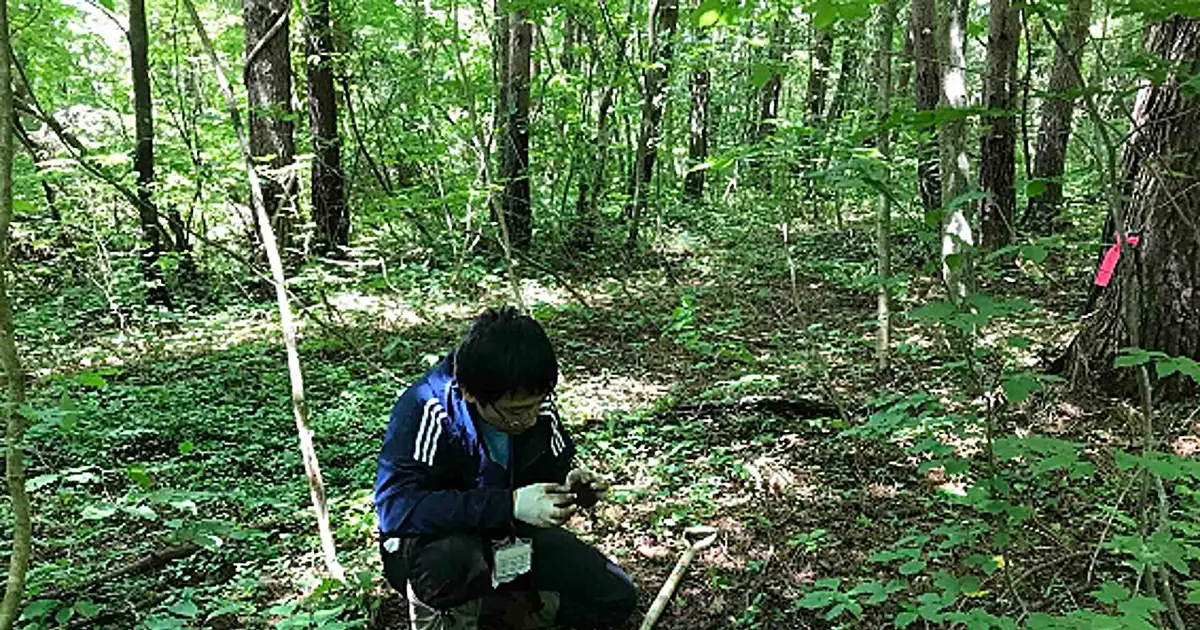
Beneath the forest floor extends a vast ecosystem where a diverse array of microorganisms inhabit soil and root systems. Here, fungi and bacteria play pivotal roles in processes such as nutrient cycling and carbon sequestration.

Summary
Beneath the forest floor extends a vast ecosystem where a diverse array of microorganisms inhabit soil and root systems. Here, fungi and bacteria play pivotal roles in processes such as nutrient cycling and carbon sequestration. Within these microbial communities may exist a keystone species, which exerts a disproportionately large influence on the entire structure and function of such an ecosystem. While scientists often associate a keystone species with conspicuous predators, pollinators and plants, there is also a belief that the myriad microorganisms inhabiting the soil include 'hidden' key species.
AI summaries can be wrong sometimes—always verify important details using the source article.
How AI & Automation are usedMore from Science
Continue reading recent Science coverage
- Cyclone eases after lashing India coast, no deaths reportedContinue reading
- Astronomers Discover a Giant New Dwarf Planet Candidate Hiding Beyond PlutoContinue reading
- The most important part of AI chatbots is being ignoredContinue reading
- MapInsights helps police trainees learn the territoryContinue reading
Support HappeningNow
Independent AI-powered news analysis is reader-supported. Your contribution helps cover infrastructure, summaries, and continued platform development.
Support HappeningNow