
Science · 32 views
Beneath seagrass meadows, a shift in warming seas could decide which underwater habitats survive
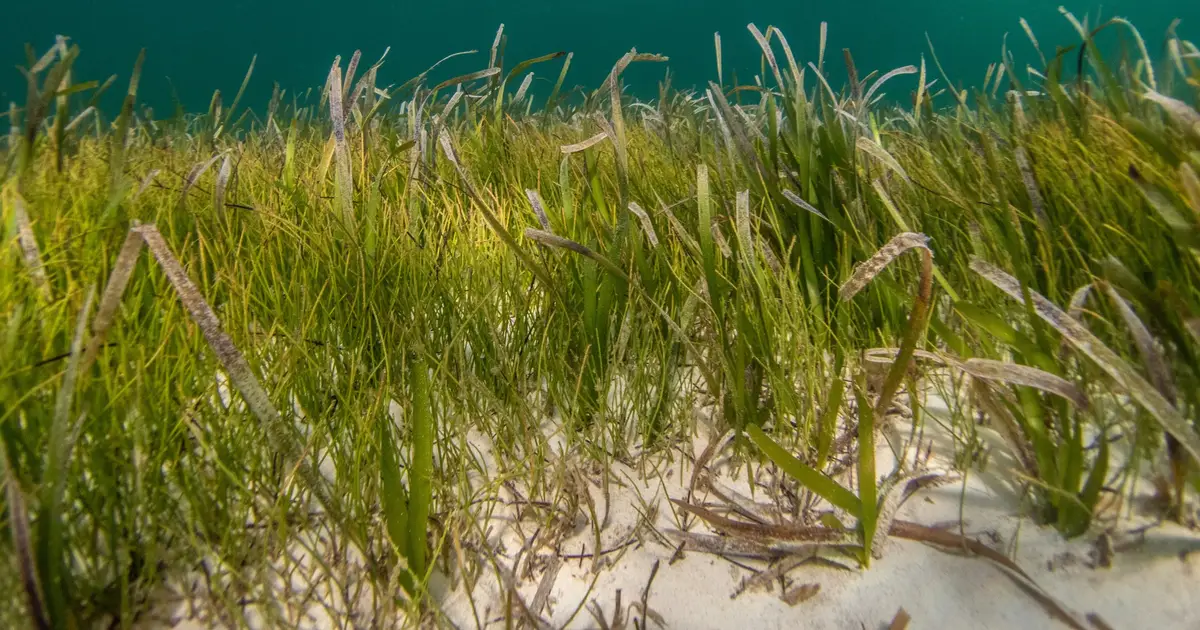
On the western side of Lake Macquarie in New South Wales, Australia, sits Myuna Bay, a quiet bay with meadows of seagrass waving beneath the water. The most common marine plant species you find there is Zostera muelleri.

Summary
On the western side of Lake Macquarie in New South Wales, Australia, sits Myuna Bay, a quiet bay with meadows of seagrass waving beneath the water. The most common marine plant species you find there is Zostera muelleri. It has long ribbon-like leaves that grow from stems (called rhizomes) buried beneath the sediment and provides important shelter for small fish, shrimp and crabs.
AI summaries can be wrong sometimes—always verify important details using the source article.
How AI & Automation are usedMore from Science
Continue reading recent Science coverage
- Newly identified protein pathway helps HIV stay hidden despite treatmentContinue reading
- Seabird family tree predicts which species accumulate plastic better than diet, global analysis findsContinue reading
- A hidden bias in human language challenges 70 years of scienceContinue reading
- Cleaner brick kilns cut pollution, but gains did not reach workers, research findsContinue reading
Support HappeningNow
Independent AI-powered news analysis is reader-supported. Your contribution helps cover infrastructure, summaries, and continued platform development.
Support HappeningNow