
Health · 9 views
Artificial protein activates faulty insulin receptors and lowers blood sugar in mice
The body relies on a finely tuned network of receptors that unlock their docking sites in response to specific chemical signals. In some genetic diseases, however, mutations can leave these receptors unable to do their job.

AI Summary
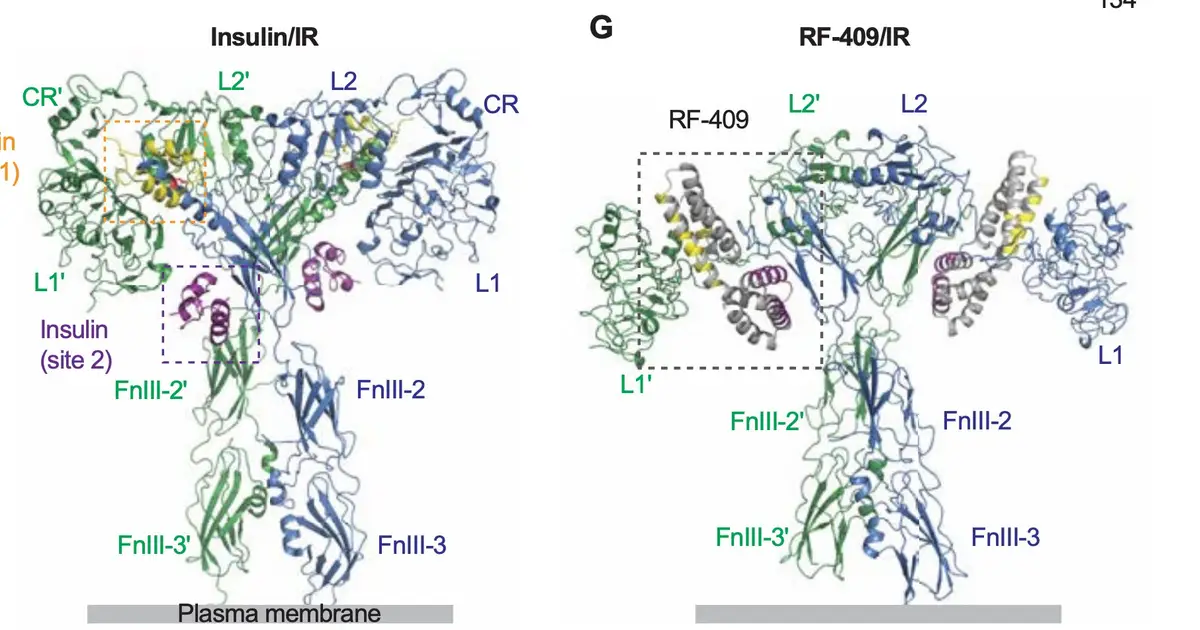
Researchers engineered an artificial protein that can bind to and activate a defective insulin receptor in mice with Donohue syndrome, a rare genetic disorder caused by mutations that block the receptor’s normal docking site. The mutations prevent insulin from binding, leading to dangerously high blood sugar and rendering standard insulin therapies ineffective. In a study published in *Science Translational Medicine*, the artificial protein successfully engaged the mutated receptor, lowering blood glucose levels in the animal model. The work suggests a potential therapeutic strategy for patients whose insulin receptors cannot respond to natural insulin.
AI summaries can be wrong sometimes—always verify important details using the source article.
How AI & Automation are usedMore from Health
Continue reading recent Health coverage
- Cancer can evade immune attack by disrupting the teamwork of immune cellsContinue reading
- Tobacco for Cancer Therapy? Panel Backs HPV Test Over Pap; Too Few Cancer SurgeonsContinue reading
- Scientists Report Strong Evidence That Specially Bred Mosquitoes Can Fend Off DengueContinue reading
- A new map reveals how individual brain cells use different RNA versions of the same genesContinue reading
Support HappeningNow
Independent AI-powered news analysis is reader-supported. Your contribution helps cover infrastructure, summaries, and continued platform development.
Support HappeningNow