
Science · 30 views
5th-century Belgian burial with 'scrap metal' may reveal missing link between Roman and Merovingian monetary systems
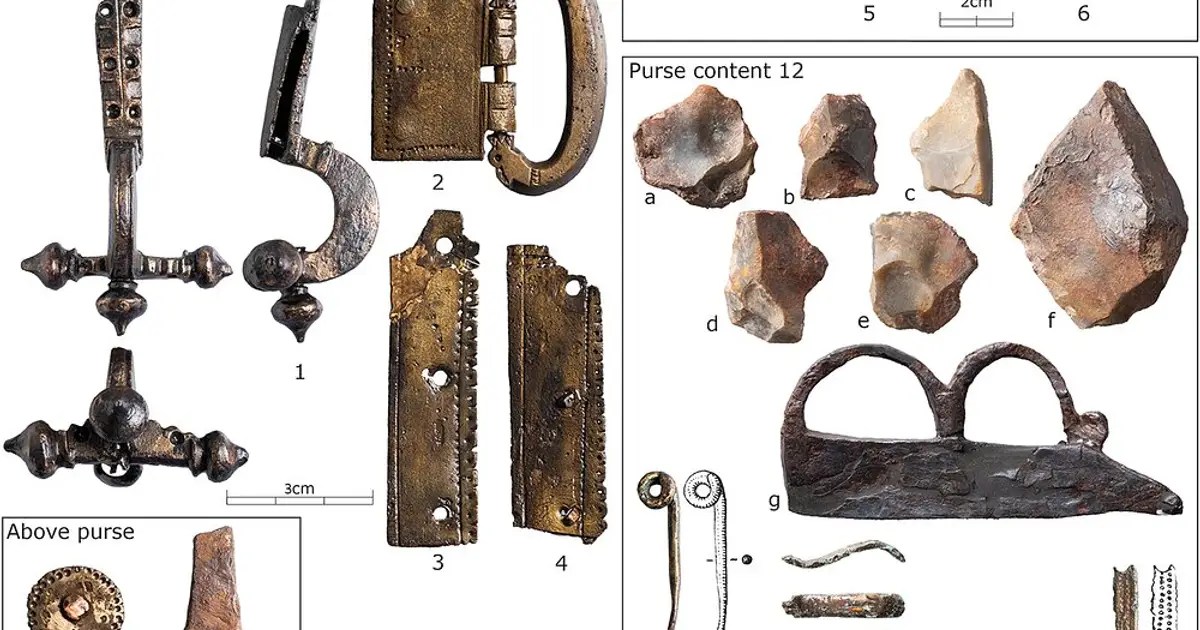
A study published in the journal Britannia analyzed coins and metal items found in an early 5th-century AD burial in Oudenburg, Belgium.

Summary
A study published in the journal Britannia analyzed coins and metal items found in an early 5th-century AD burial in Oudenburg, Belgium. The burial occurred around the same time that base metal coins ceased arriving in northwestern Roman Provinces (ca. 400 AD). With no new currency introduced, it is plausible that people turned to other practices and materials when still-circulating coins may not have met demand.
AI summaries can be wrong sometimes—always verify important details using the source article.
How AI & Automation are usedMore from Science
Continue reading recent Science coverage
Support HappeningNow
Independent AI-powered news analysis is reader-supported. Your contribution helps cover infrastructure, summaries, and continued platform development.
Support HappeningNow